Monetizing Home Equity: Reverse Mortgage Loans by The Best Loan Consultancy Services
In this article
- Understanding Home Equity and Its Potential
- What Exactly is a Reverse Mortgage Loan?
- Key Benefits of a Reverse Mortgage for Older people
- The Reverse Mortgage Process: A Step-by-Step Guide
- Important Financial Terms to Understand
- Risks and Considerations Before Opting for a Reverse Mortgage
- Who Benefits Most from a Reverse Mortgage?
- S & P Bank Loan Services: Your Trusted Partner
- Frequently Asked Questions
Monetizing Home Equity: Home ownership represents a significant milestone. It provides stability. It builds equity over time. For many, a home is their most valuable asset. As people age, financial needs often change. Retirement can bring new expenses. Fixed incomes might feel restrictive. Accessing accumulated home equity can offer a vital solution. Reverse mortgage loans provide this opportunity. They allow homeowners to convert their property value into liquid cash. S & P Bank Loan Services specializes in these unique financial products. We help clients understand and utilize their home equity wisely. We are truly the best loan consultancy services.
Monetizing Home Equity: Reverse Mortgage Loans by The Best Loan Consultancy Services: S & P Bank Loan Services
Understanding Home Equity and Its Potential
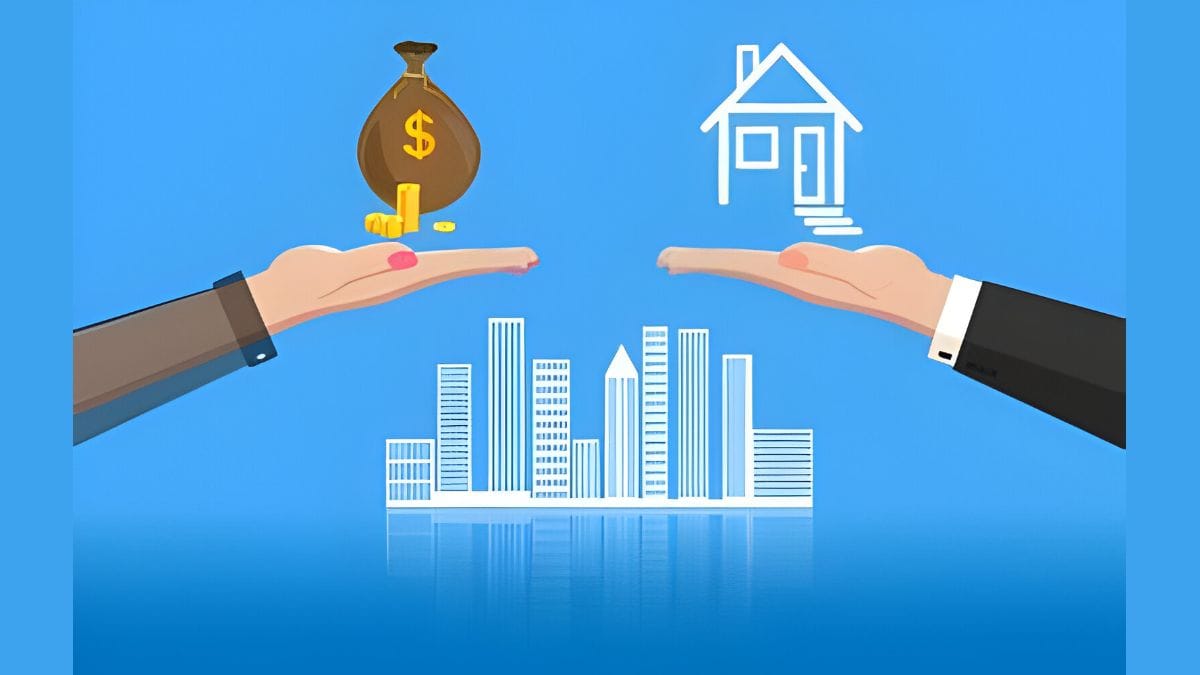
Home equity is the portion of your home that you own outright. It is calculated simply. You subtract your outstanding mortgage balance from your home’s current market value. For instance, if your home is valued at ₹1 Crore and your remaining mortgage is ₹20 Lakhs, your equity is ₹80 Lakhs. This equity represents a significant, often untapped, financial resource.
Traditionally, homeowners access equity by selling their home. They might also take out a home equity loan or a home equity line of credit (HELOC). However, these options require monthly repayments. They might also mean leaving your cherished home. Reverse mortgages offer an alternative. They unlock the value of your home without selling it. They do not require monthly mortgage payments. This makes them particularly appealing for older people. They provide financial flexibility in later life.
What Exactly is a Reverse Mortgage Loan?
A reverse mortgage loan is a specialized financial product. It is designed for senior homeowners. It allows them to borrow against the equity in their home. The unique aspect is this: borrowers do not make monthly mortgage payments. Instead, the loan balance grows over time. It accrues interest. The loan becomes due when the last borrower moves out permanently. This could be due to selling the home or passing away.
The funds from a reverse mortgage can be received in various ways. You can get a lump sum payment. You can receive monthly installments. Alternatively, you can use a line of credit. A combination of these options is also possible. Eligibility criteria apply. Borrowers must typically be over a certain age (e.g., 60 or 65 years in India). The property must be their primary residence. It must meet certain condition standards. Understanding these nuances is crucial for informed decision-making.
Key Benefits of a Reverse Mortgage for Older people
Reverse mortgage loans offer several distinct advantages for older people homeowners. Firstly, they provide tax-free cash. The money received is considered loan proceeds. It is not taxable income. This significantly boosts liquidity. Secondly, borrowers retain homeownership. They continue to live in their home. Maintain title to the property. They never give up ownership. This offers peace of mind and continuity.
Furthermore, there are no monthly mortgage payments. This frees up cash flow. It alleviates financial burden. This is especially beneficial for those on fixed incomes. The loan is typically repaid from the sale of the home or the borrower’s estate. This means heirs inherit the property. They can choose to repay the loan and keep the home. Alternatively, they can sell the home to cover the debt. These benefits make reverse mortgages an attractive option. They empower older people financially.
The Reverse Mortgage Process: A Step-by-Step Guide
The process of obtaining a reverse mortgage involves several key steps. Firstly, potential borrowers should seek counseling from a qualified agency. This counseling session is often mandatory. It ensures borrowers fully understand the product. It covers risks and benefits. Secondly, borrowers choose a lender. They submit an application. This includes personal and property details.
Thirdly, the property undergoes an appraisal. This determines its current market value. It establishes the amount of equity available. Fourthly, the loan is formally processed. This involves reviewing documents. It includes underwriting the loan. Legal due diligence is also conducted. Finally, the loan is closed. Funds are disbursed according to the chosen payment option. Throughout this complex process, expert guidance is invaluable. S & P Bank Loan Services simplifies every step. We ensure a smooth and efficient experience.
Important Financial Terms to Understand
When considering a reverse mortgage, several financial terms are critical. Loan-to-Value (LTV) refers to the maximum amount that can be borrowed. It is a percentage of the home’s appraised value. This percentage is typically lower than traditional mortgages. The interest rate is applied to the growing loan balance. It can be fixed or adjustable. Origination fees are charges from the lender for processing the loan. They cover administrative costs.
Furthermore, servicing fees are ongoing charges. They cover the management of the loan. Mortgage Insurance Premium (MIP), if applicable, protects the lender. It ensures borrowers never owe more than the home’s value. Net Proceeds are the actual funds received by the borrower. This is after all fees and closing costs are deducted. Understanding these terms helps borrowers make informed decisions. It allows them to compare offers effectively.
Risks and Considerations Before Opting for a Reverse Mortgage
Despite the benefits, reverse mortgages carry certain risks. Potential borrowers must understand them. Firstly, the loan balance grows over time. It can consume a significant portion of home equity. This reduces the amount of equity remaining for heirs. Secondly, property taxes and homeowners insurance must still be paid. Borrowers remain responsible for these obligations. Failure to pay can lead to foreclosure.
Thirdly, the home must be maintained. It must remain in good condition. Neglecting maintenance can also trigger loan default. Fourthly, if the borrower moves out permanently, the loan becomes due. This can impact future living arrangements. Lastly, borrowers should be aware of scams. Predatory lenders can target older people. Therefore, choosing a reputable consultancy is crucial. S & P Bank Loan Services ensures transparent and ethical advice. We protect our clients from potential pitfalls.
Who Benefits Most from a Reverse Mortgage?
Reverse mortgages are particularly beneficial for specific demographics. Older people who are house-rich but cash-poor are ideal candidates. They have substantial home equity. However, they might struggle with daily living expenses. They might face unexpected medical bills. They might simply desire more financial freedom in retirement.
Furthermore, individuals who wish to age in place find reverse mortgages appealing. They want to remain in their beloved homes. They prefer not to sell or downsize. Reverse mortgages provide the necessary funds to live comfortably at home. They can cover home modifications. They can pay for in-home care. Ultimately, reverse mortgages serve as a powerful tool. They offer financial empowerment to older people. They provide flexibility and independence.
S & P Bank Loan Services: Your Trusted Partner
At S & P Bank Loan Services, we pride ourselves on being the best loan consultancy. We offer unparalleled expertise in reverse mortgage loans. Our team of financial advisors is highly knowledgeable. We understand the intricacies of these products. Provide personalized solutions. We cater to your unique financial situation.
Guide you through every step of the process. We ensure complete transparency. Answer all your questions comprehensively. We compare various lender offers. We explain all associated fees clearly. Our goal is to empower you. We help you make the most informed decision. We secure your financial well-being in retirement. Your home equity is a valuable asset. Let us help you monetize it wisely. We ensure a secure and comfortable future for you.
Frequently Asked Questions
Q: What is a reverse mortgage loan, and how is it different from a traditional mortgage?
A reverse mortgage loan allows senior homeowners to borrow against their home’s equity without making monthly mortgage payments. Unlike a traditional mortgage where you make payments to the lender, with a reverse mortgage, the lender pays you (either as a lump sum, monthly installments, or a line of credit), and the loan balance grows over time, accruing interest.
Q: What are the main benefits of taking out a reverse mortgage?
The main benefits include receiving tax-free cash (as loan proceeds are not considered income), retaining homeownership and continuing to live in your home, and having no monthly mortgage payments, which frees up cash flow.
Q: What are the key financial terms I should understand with a reverse mortgage?
Important terms include Loan-to-Value (LTV), which is the maximum borrowing amount as a percentage of your home’s appraised value; the interest rate that accrues on the loan balance; origination fees (lender charges for processing); servicing fees (ongoing management charges); Mortgage Insurance Premium (MIP), which protects the lender; and Net Proceeds, the actual cash received after all deductions.
Q: Are there any risks or obligations associated with a reverse mortgage?
Yes, there are risks. The loan balance grows over time, reducing equity for heirs. Borrowers remain responsible for paying property taxes and homeowners insurance. They must also maintain the home’s condition. Failure to meet these obligations can lead to foreclosure. Additionally, the loan becomes due if the last borrower moves out permanently, which can impact future living arrangements.
Q: Who typically benefits most from a reverse mortgage loan?
Reverse mortgages are most beneficial for older people who are house-rich but cash-poor, meaning they have substantial home equity but limited liquid funds. They are also ideal for individuals who wish to age in place and remain in their homes, using the loan proceeds to cover living expenses, medical bills, home modifications, or simply to enhance their financial freedom in retirement.
Conclusion
Monetizing home equity through a reverse mortgage loan offers a significant financial solution. It provides liquidity to senior homeowners. It allows them to live comfortably without monthly mortgage payments. Understanding the benefits, process, and associated risks is vital. Expert legal counsel ensures a smooth and secure experience.
Do not let your home equity remain untapped. Do not face financial challenges in retirement alone. S & P Bank Loan Services stands as your trusted partner. Our best loan consultancy services demystify reverse mortgages. We help you unlock your home’s potential. Provide reliable advice. We offer comprehensive support. Contact us today. Secure your financial independence. Enjoy your golden years with peace of mind.
Read More
- Going Green: Green Loans by The Best Loan Consultancy Services
- Smooth Transition: Bridge Loans with The Best Loan Consultancy Services
- Flexible Borrowing: Overdraft Facilities by The Best Loan Consultancy Services
- Unlocking Retirement Funds: Pension Loans with The Best Loan Consultancy Services
- Bridge Financial Gaps: Balance Transfer Loans by S & P Bank Loan Services
- National Housing Bank (NHB)